
Dubai is best known for its skyline. But look beyond the towers, malls and beach clubs, and you’ll find a very different side of the emirate.
From sweeping desert landscapes and rugged mountain terrain to wetlands, wildlife habitats and the Arabian Gulf coastline, nature in Dubai is far more varied than many first-time visitors expect.
Some of these landscapes are protected reserves where native plants and animals thrive. Others are accessible outdoor destinations where you can hike, kayak, spot birds or simply escape the city for a few hours.
So, what are the main natural features of Dubai, and where should you go to experience them? Here’s Frank Porter’s guide to discovering Dubai’s wilder side.
What are the natural features of Dubai?
The main natural features of Dubai include its desert and dune systems, the Hajar Mountain landscape around Hatta, wetland habitats, coastal environments and native desert ecosystems.
Together, these environments support a surprising range of plant and animal life and provide a striking contrast to Dubai’s famously urban center.
Dubai’s most important natural landscapes include:
- Desert and sand dunes, which cover large areas beyond the urban center
- Mountains and wadis around Hatta in the Hajar Mountains
- Wetlands and lagoons, including the protected Ras Al Khor ecosystem
- The Arabian Gulf coastline, with beaches and marine habitats
- Desert wildlife reserves, created to protect indigenous species and habitats
It is also worth distinguishing genuinely natural landscapes from nature-inspired attractions. Places such as Dubai Miracle Garden and the lakes around Al Qudra can be brilliant outdoor experiences, but they are managed or man-made rather than naturally occurring features.
The best places to experience nature in Dubai
Beyond the city’s glass-and-steel skyline, there are protected deserts, rugged mountains, peaceful wetlands and a coastline teeming with life. Here are some of the best places to see Dubai’s natural side.
Al Marmoom Desert Conservation Reserve
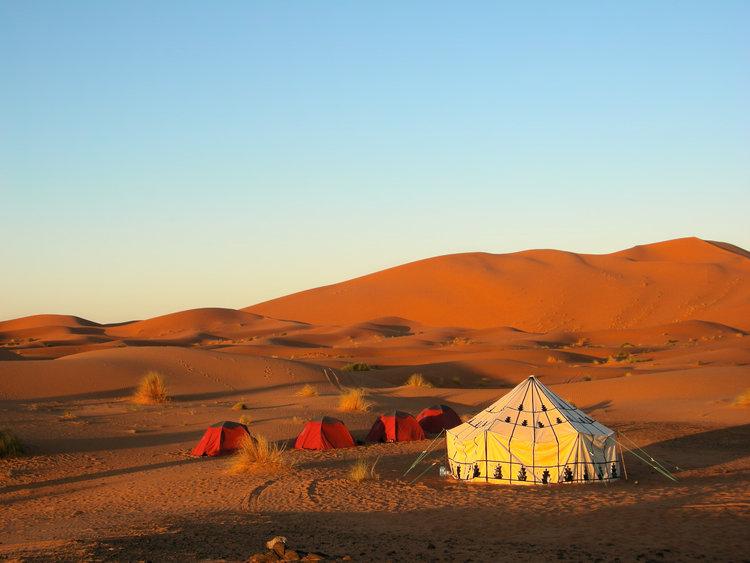
If the desert is the first landscape you picture when thinking about Dubai nature, Al Marmoom is one of the best places to experience it.
Beyond the city, the reserve opens into an expansive landscape of golden dunes, desert vegetation and wildlife habitat. Visit Dubai describes Al Marmoom as the UAE’s largest unfenced nature reserve, making it one of the most significant protected landscapes in the emirate.
The surroundings are particularly beautiful around sunrise and sunset, when the temperature drops and the changing light brings out the contours of the dunes.
Visitors can also experience the area’s Bedouin heritage, cycling routes, wildlife and stargazing opportunities. If you’re looking for the classic Arabian desert landscape without traveling far beyond Dubai, this should be high on your list.
Best for: desert scenery, wildlife, cycling, photography and sunsets.
Dubai Desert Conservation Reserve
For a closer look at Dubai’s native desert ecosystem, head to the Dubai Desert Conservation Reserve.
Established to protect a representative section of Dubai’s original inland desert, the reserve covers dunes, gravel plains and wildlife habitats that support indigenous flora and fauna. Its wildlife includes species such as Arabian oryx and native gazelles.
Unlike a typical public park, conservation comes first here. Access to parts of the reserve is controlled, so experiences are generally best arranged through authorized operators.
That makes the Dubai Desert Conservation Reserve particularly appealing if you want to learn more about the ecosystem rather than simply race across the dunes.
Best for: native wildlife, conservation experiences, desert ecology and guided nature trips.
Hatta and the Hajar Mountains
Dubai isn’t all sand.
Travel towards Hatta and the landscape changes dramatically as desert plains give way to the rocky peaks and valleys of the Hajar Mountains.
Located around 130km southeast of central Dubai, Hatta is one of the most distinctive natural features in Dubai and one of the emirate’s best destinations for outdoor adventure. Visitors can hike mountain trails, go mountain biking or kayak across the calm waters of Hatta Dam while surrounded by rugged peaks.
Although the dam itself is constructed, the dramatic mountain setting around it is the real attraction.
For anyone who associates Dubai exclusively with flat desert, a day in Hatta reveals just how varied the emirate’s geography can be.
Best for: hiking, kayaking, mountain biking, scenery and day trips.
Ras Al Khor Wildlife Sanctuary
One of Dubai’s most interesting natural areas sits surprisingly close to the city’s skyline.
Ras Al Khor Wildlife Sanctuary protects an important wetland environment where visitors can observe birdlife, including the flamingos for which the sanctuary has become particularly famous. Visit Dubai describes it as a key destination for bird and wildlife enthusiasts.
The contrast is part of its appeal. One moment you’re surrounded by highways and high-rises; the next you’re looking across quiet wetlands filled with birds.
It’s also an excellent reminder that the natural features of Dubai extend beyond sand dunes. Wetland environments form an important part of the emirate’s biodiversity too.
Best for: birdwatching, wildlife photography and an easy nature escape from central Dubai.
Dubai’s Arabian Gulf coastline
Dubai’s coastline is another of the emirate’s defining natural features.
While many parts of the waterfront have been extensively developed, the Arabian Gulf remains an important part of Dubai’s natural landscape. Its warm waters, sandy shoreline and marine environment have shaped life in the region long before the modern city appeared.
Accessible beaches such as Kite Beach and stretches of the Jumeirah coastline offer an easy way to enjoy the outdoors without leaving the city.
Head out early for a peaceful walk, spend an afternoon by the water or stay until sunset to watch the city change color from the shoreline.
Best for: swimming, walking, watersports and sunsets.
Man-made nature attractions worth visiting in Dubai
Not every place associated with nature in Dubai is naturally occurring, and that’s worth being clear about.
Dubai has also created several impressive outdoor environments that bring greenery and wildlife closer to the city.
Al Qudra Lakes
Set among the desert landscape of Saih Al Salam, Al Qudra has become a popular place for picnics, cycling, sunsets and birdwatching.
The lakes themselves are man-made rather than a natural geographical feature, but they have helped create habitats used by birds and other wildlife.
The surrounding desert is what gives Al Qudra its appeal. Visit around sunset, and you’ll get wide-open views, quieter surroundings and a completely different atmosphere from central Dubai.
Best for: sunsets, picnics, cycling and casual birdwatching.
Dubai Miracle Garden
Dubai Miracle Garden is another attraction that deserves a place on a nature lover’s itinerary with one important distinction.
It is a carefully designed floral attraction rather than one of the Dubai natural features covered above.
During its operating season, enormous displays of flowers transform the space into one of the city’s most colorful outdoor attractions. It’s an especially good choice for families, photographers and anyone who wants greenery without heading into the wilderness.
The seasonal nature of the garden means it’s always worth checking current opening dates before traveling.
Best for: flowers, families and photography.
When is the best time to explore nature in Dubai?
Dubai’s outdoor season generally comes into its own during the cooler months.
November to March is usually the most comfortable period for hiking, desert trips, wildlife watching and longer days outside. October and April can also work well, particularly if you plan activities for the morning or late afternoon.
During the hotter summer months, outdoor exploration requires more care. Choose early mornings, carry plenty of water and avoid strenuous activity during the hottest part of the day.
Hatta can also be a welcome change of scenery thanks to its mountain setting, although temperatures across the UAE can still be high in summer.
How to explore Dubai nature responsibly
Dubai’s natural landscapes can be surprisingly delicate, particularly desert and wetland ecosystems.
When visiting protected areas or heading into the desert:
- Stay on permitted trails, tracks and access routes
- Keep your distance from wildlife
- Never feed wild animals
- Take all rubbish with you
- Avoid damaging or removing plants
- Follow signs and reserve-specific visitor instructions
- Use authorized guides or operators where access is controlled
Dubai’s official conservation guidance similarly asks visitors to minimize disturbance, avoid damaging habitats and follow designated routes within protected environments.
A little care helps keep these landscapes worth visiting for everyone who comes after you.
Nature destinations in and around Dubai
It’s worth remembering that not every nature destination within easy reach of Dubai is located in the Emirate itself.
Popular destinations including the Umm Al Quwain wetlands, Jubail Mangrove Park in Abu Dhabi and mountain landscapes elsewhere in the northern emirates can all be reached from Dubai, but they are not located in the Emirate of Dubai itself.
They’re excellent options for a longer UAE road trip, but if you’re specifically searching for nature in Dubai, focus first on places such as Al Marmoom, the Dubai Desert Conservation Reserve, Ras Al Khor and Hatta.
Once you’ve explored those, the rest of the UAE has even more mountains, mangroves, wadis and desert landscapes waiting beyond the city.
Ready to explore a different side of Dubai? Make Frank Porter your base and enjoy the freedom to discover the city’s deserts, mountains, wetlands and coastline at your own pace. Browse our Dubai holiday homes and find the perfect place to stay for your next adventure.


